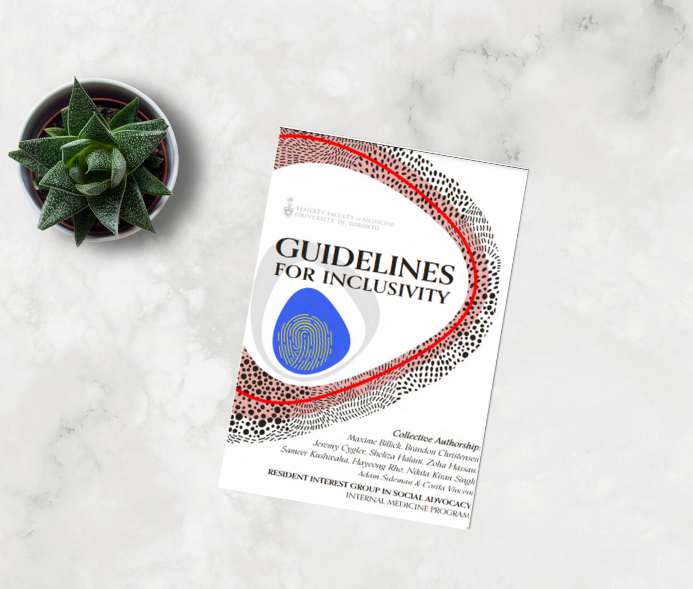
These guidelines are intended to be an introduction to the topics of inclusivity, anti-racism, and anti-oppression and how these concepts can be practically integrated into medical education.
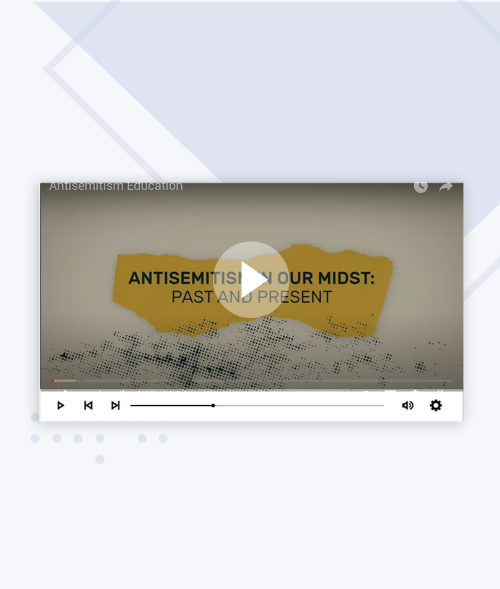
This video charts the history of antisemitism from its origins until today. It tackles the hard questions about different and changing forms of antisemitism, persistent anti-Jewish stereotypes, the complex racial position of Jews in contemporary America, and the precise line between criticism of Israel and antisemitism.
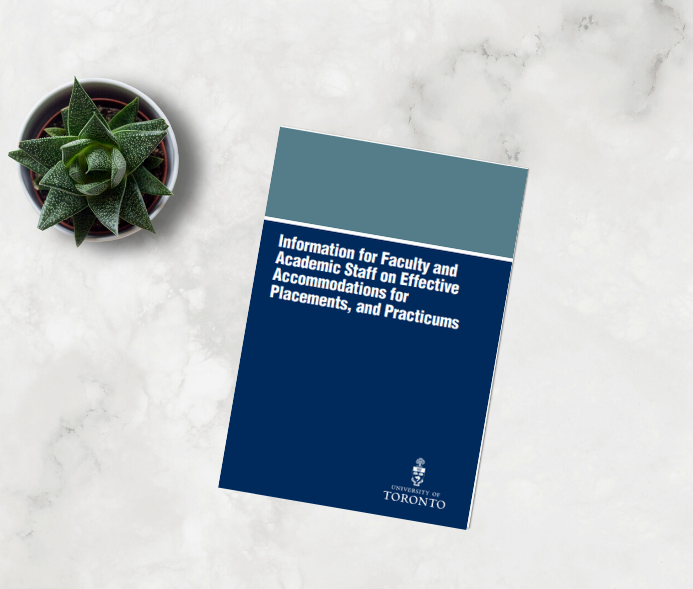
For some students, the demands of a clinical environment reveal unexpected disability-related issues that might not have required accommodations in the past.
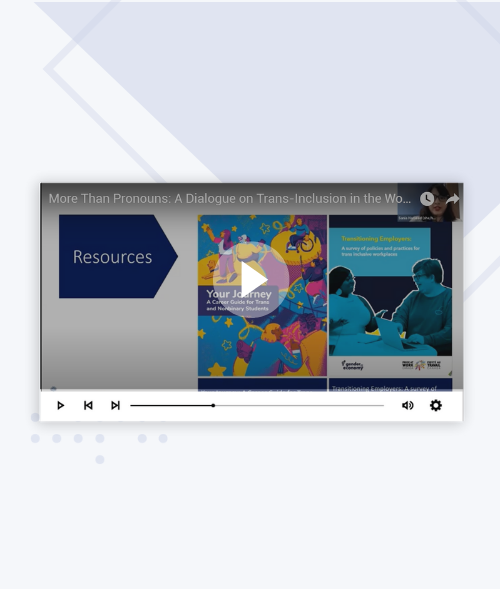
Navigating a career can feel complicated or confusing. For trans and nonbinary people, there can be additional barriers in place which make the process even more complex.
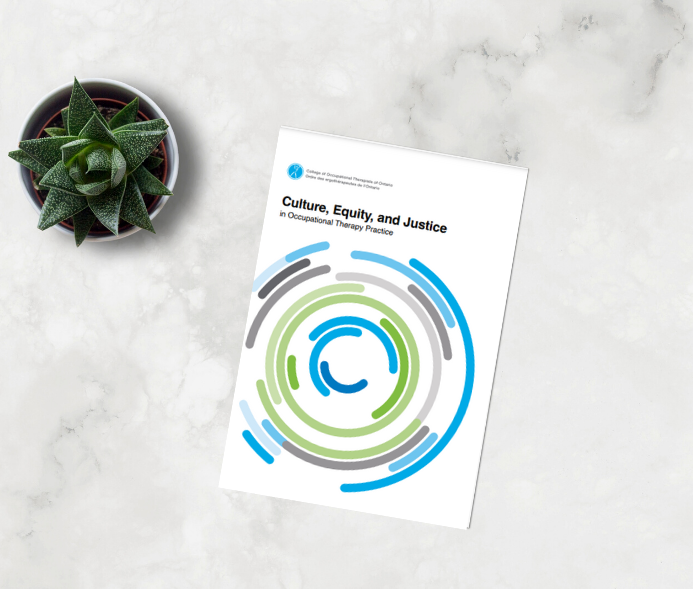
This guide outlines specific expectations for how occupational therapists (OTs) can provide services that are culturally safer while upholding the human rights of all clients and the people that OTs work with. These expectations apply to all OTs. Those in macro-level roles, such as leading and teaching, will be especially influential in actioning this work.
If you have experienced or witnessed behaviour that you perceive or suspect as being mistreatment you can discuss, disclose, or report the concerning behaviour. Please come forward even if all you would like to do is talk.
These webpages are here to support all residents and clinical fellows (including International Medical Graduates (IMGs) and externally sponsored learners), as well as visiting elective learners who are registered with PGME.
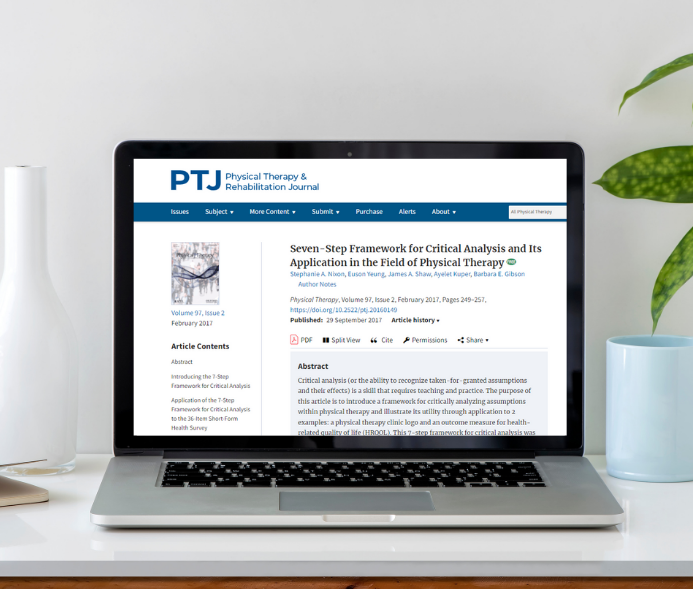
The purpose of critical analysis is to invite and promote dialogue that assists physical therapist clinicians, researchers, and students to arrive at new insights about the impacts of their day-to-day actions.