
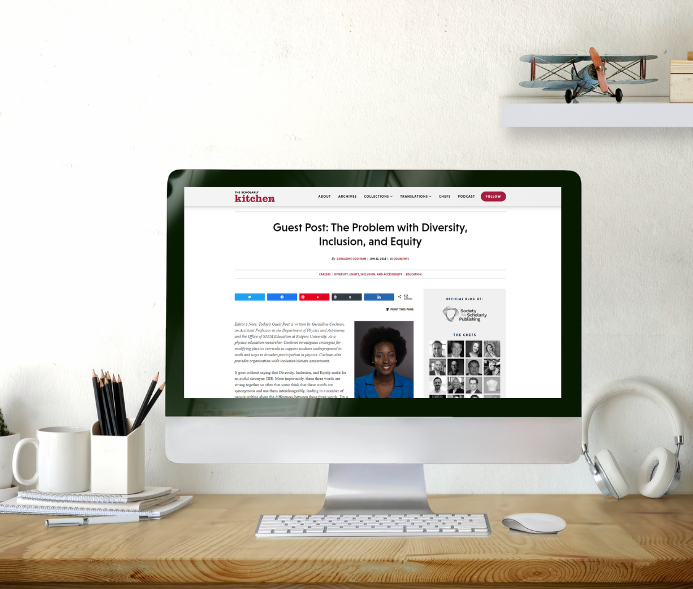
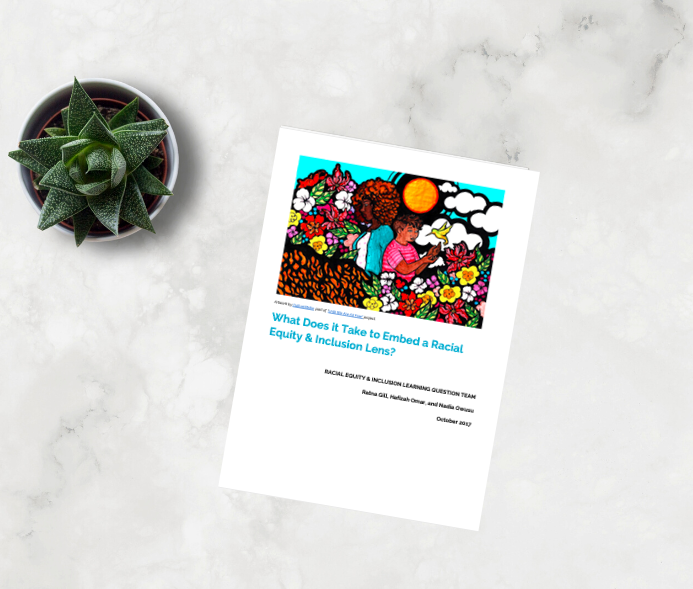
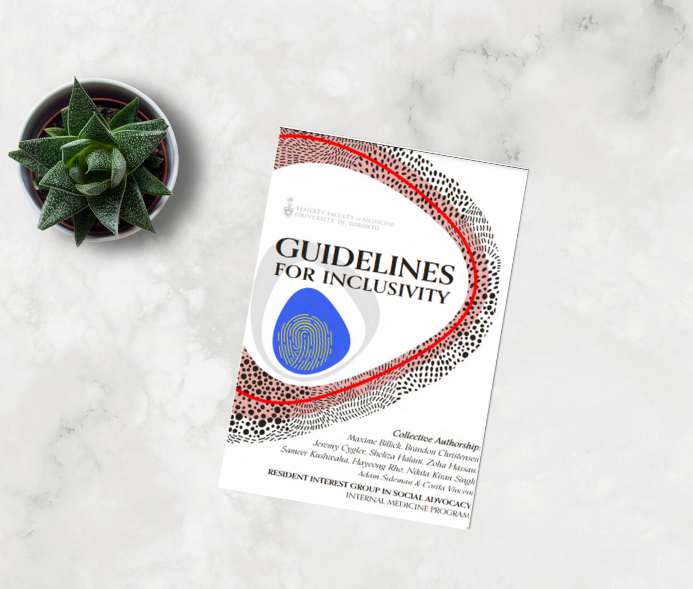
Guidelines for Inclusivity
These guidelines are intended to be an introduction to the topics of inclusivity, anti-racism, and anti-oppression and how these concepts can be practically integrated into medical education.
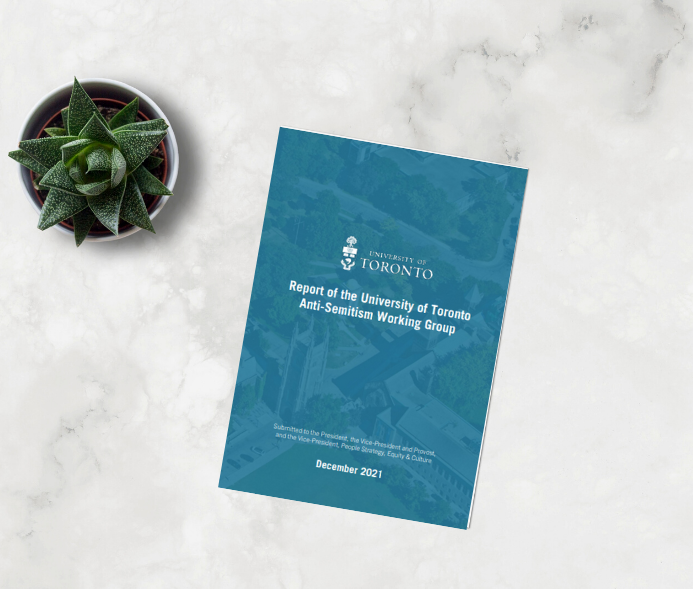
Anti-Semitism Education
This video charts the history of antisemitism from its origins until today. It tackles the hard questions about different and changing forms of antisemitism, persistent anti-Jewish stereotypes, the complex racial position of Jews in contemporary America, and the precise line between criticism of Israel and antisemitism.
More Than Pronouns: A Dialogue on Trans-Inclusion in the Workplace
Navigating a career can feel complicated or confusing. For trans and nonbinary people, there can be additional barriers in place which make the process even more complex.
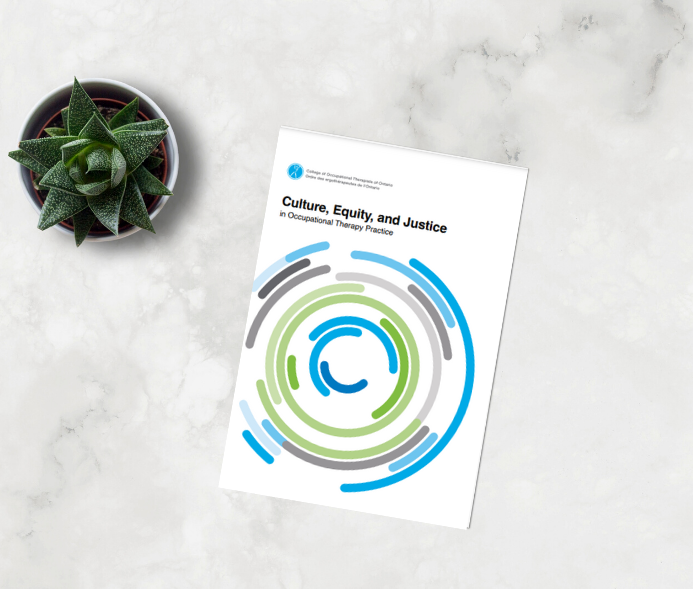
Culture, Equity, and Justice in Occupational Therapy Practice
This guide outlines specific expectations for how occupational therapists (OTs) can provide services that are culturally safer while upholding the human rights of all clients and the people that OTs work with. These expectations apply to all OTs. Those in macro-level roles, such as leading and teaching, will be especially influential in actioning this work.
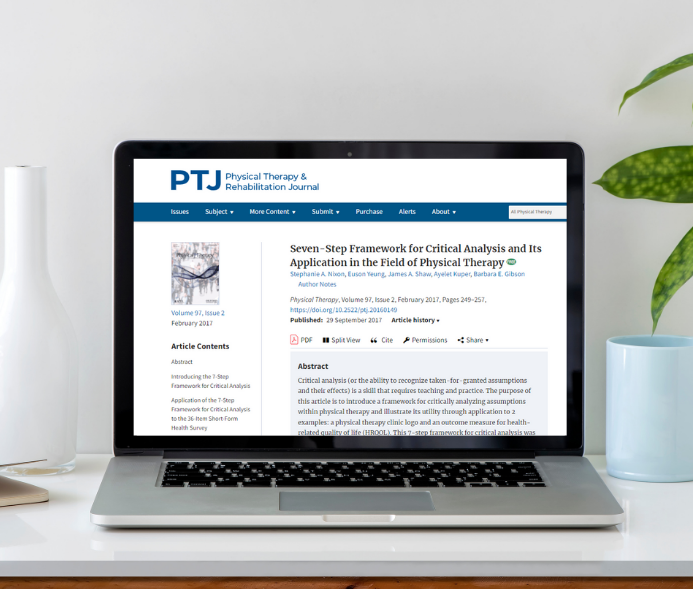
Seven-Step Framework for Critical Analysis and Its Application in the Field of Physical Therapy
The purpose of critical analysis is to invite and promote dialogue that assists physical therapist clinicians, researchers, and students to arrive at new insights about the impacts of their day-to-day actions.

The coin model of privilege and critical allyship: implications for health
In this conceptualization of health inequity, we have limited the potential for disruptive action to end these enduring patterns.

Understanding Trauma: Learning Brain vs Survival Brain
This video reframes a trauma perspective in terms of learning brain versus survival brain as a way to make it easier for teachers to talk about trauma with students.