
Coaching: From What’s the Matter to What Matters (Virtual)
For those that can not attend in person, join us on Zoom for this exclusive members event that is free for all CFD Members. Learn the simple building blocks of transformative interactions in conversations so that you can intentionally apply them in your next conversation.
No events to show
Description
Presenter
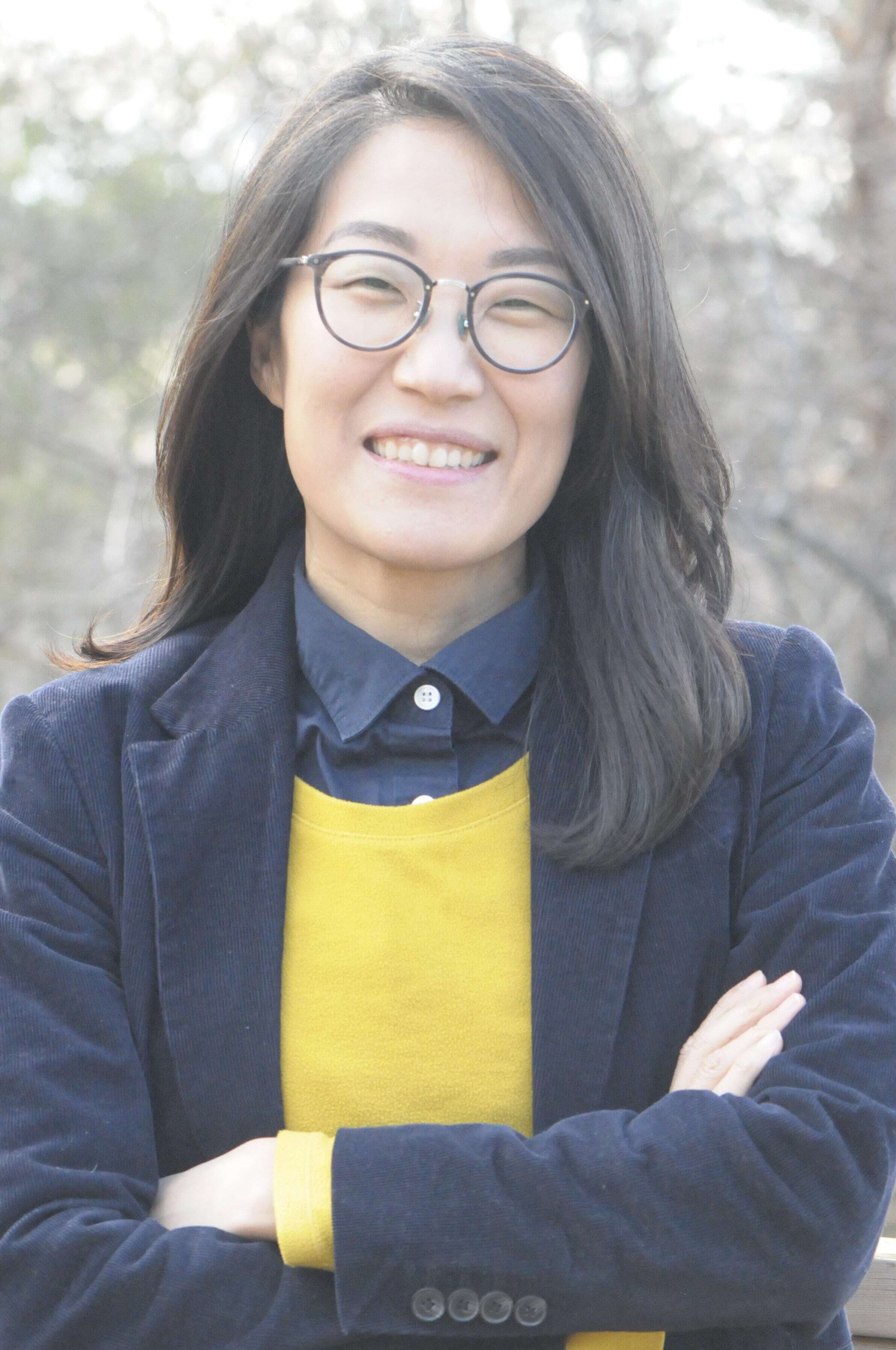
Haesun Moon, Ph.D., is a communication scientist, an educator, and author of Coaching A to Z: The Extraordinary Use of Ordinary Words. Haesun received her Ph.D. in Adult Education and Community Development from University of Toronto. She believes that conversations can change the world, and she defines this process as hosting dialogic conditions in which people participate to imagineer and perform their preferred change. Her research led to development of a simple coaching model, Dialogic Orientation Quadrant (DOQ), which has transformed the way people coach and learn coaching worldwide. Haesun teaches Brief Coaching at the University of Toronto and serves as Executive Director at the Canadian Centre for Brief Coaching, and Principal at The Human Learning Institute. You can visit her online at www.briefcoaching.ca and www.coachingatoz.com
Additional Info
Would you like to attend this event but you are not a CFD Member yet?
Find out more about CFD Membership and register here!
Event Details
Recommended Events
-
 21MayWhether you're creating your first dossier or refining an existing one, this workshop will help you move forward with clarity and confidence—transforming your dossier into a reflective and strategic showcase of your work as an educator.
 -
 25MayTake your use of cases to the next level! This workshop will help you design cases and case-based learning to achieve deep engagement and extraordinary learning outcomes.
 -
 25MayThe Membership Mondays Community is for CFD members to engage in informal conversations on emerging curiosities, questions and tensions within health professions education. This community comes together virtually, three times a year. Topics are responsive to the needs of the community. Please join us to engage in thoughtful dialogue.
